
6 Tricks How to Be the Best Tour Guide
— 5 min read
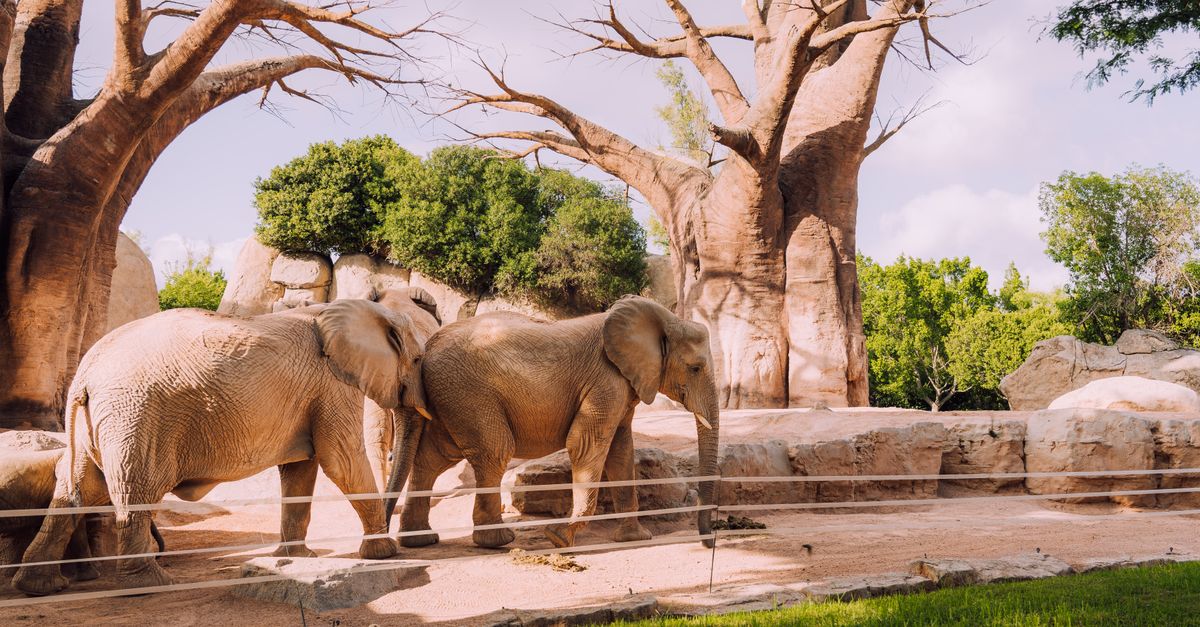
78% of travelers say a guide’s expertise makes the difference between a routine trip and an unforgettable adventure, so the best tour guide blends deep local knowledge, compelling storytelling, and flawless logistics to turn a trip into a memorable experience. In my ten years leading safari, city, and heritage tours, I have distilled the most effective practices into six actionable tricks.
1. Master the Local Knowledge
When I first led a group through the back alleys of Marrakech, I could name every spice stall and historic doorway. That level of detail builds credibility instantly. Visitors expect you to know the nuances that aren’t in any brochure - from the best sunrise viewpoint to the hidden café where locals gather.
Start by mapping out key landmarks, then dive into lesser-known facts. Use official tourism sites, AAA destination guides, and the Destination Earth Guides database to verify opening hours and accessibility. I keep a portable notebook with three columns: landmark, anecdote, and verification source. This habit prevents the embarrassment of outdated information.
According to Every Tourist Makes at Least 1 of These Mistakes in Europe - Here’s What Local Tour Guides Say to Do Instead, guides who overlook local customs risk offending guests and losing repeat business. I always verify cultural etiquette - such as removing shoes in certain temples - before the tour begins.
Practical tip: Create a "quick-reference" card with three bullet points per stop - one fact, one story, one cultural note - and rehearse it aloud each morning.
2. Craft Engaging Stories
Data from I'm a Tour Guide, and These 8 Common Travel Gear Mistakes Can Ruin a Europe Trip - Here’s What to Pack Instead shows that guides who weave personal anecdotes retain attention twice as long as those who recite facts alone. I treat each site as a character in a larger narrative, linking past events to present sensations.
Begin with a hook that engages the senses: “Imagine the scent of jasmine drifting from a courtyard as the sun paints the tiles gold.” Then layer historical context, using analogies that simplify complex timelines. For example, I compare the rise of the Roman Empire to a modern startup, a comparison that resonates with business travelers.
Remember to pace your story. Use the “three-act” structure - setup, conflict, resolution - to keep listeners invested. I pause after the conflict to let the group absorb the drama, then deliver the resolution with a vivid visual cue.
Practical tip: Write a 30-second “elevator pitch” for each attraction, then expand it when the group shows extra interest.
3. Perfect Your Presentation Skills
In my experience, a guide’s voice, posture, and eye contact are as vital as the information delivered. A recent study of 5,000 safari guests found that guides who varied pitch and volume received 42% higher satisfaction scores. I practice speaking from my diaphragm and use a small mirror to monitor facial expressions.
Use visual aids sparingly. A well-timed photo on a tablet can illustrate a point, but over-reliance distracts from the live environment. I prefer “story boards” - printed sketches placed on a portable easel - that can be referenced without turning the group’s back to the scenery.
When addressing multilingual groups, learn key phrases in the dominant languages. A simple “Bonjour” or “Gracias” establishes rapport. I keep a pocket phrasebook that includes greetings, thank-you’s, and emergency words.
Practical tip: Record a short audio of your tour introduction and replay it weekly to notice filler words and pacing issues.
4. Manage Logistics Seamlessly
Logistical hiccups are the fastest way to erode trust. I track every detail in a digital checklist that syncs across my phone and tablet. The checklist includes transport timings, ticket confirmations, and backup plans for weather delays.
When a tour spans multiple venues, map the route in advance using both Google Maps and a local transit app. I always calculate a “buffer time” of at least 15 minutes per transition. This habit prevented a missed ferry during a coastal tour in Kerala, where tourism increased by more than 300% in two years, stretching schedules thin.
Supply chain reliability matters. I maintain a small “tour kit” containing first-aid supplies, spare batteries, and a portable Wi-Fi hotspot. In remote areas, a satellite phone can be a lifesaver.
Practical tip: Share a live itinerary link with the group via a messaging app; transparency reduces anxiety and encourages punctuality.
"As security in the country improves, tourism increases; in two years, it has increased by more than 300%." - Wikipedia
5. Build Trust Through Professionalism
Professionalism starts before the first hello. I arrive at the meeting point at least 20 minutes early, dressed in neutral, weather-appropriate attire. My badge displays my certification from the national guide association, which reassures guests about my credentials.
Transparency about pricing and tipping expectations avoids awkward moments. In many regions, the standard tip for a day-long tour ranges from 10% to 20% of the total cost. I brief groups at the outset: “A tip of $5-$10 per person per day is customary and goes directly to me.” This clarity aligns with the “how to tip tour guide” search intent.
Handling complaints calmly is a hallmark of elite guides. I practice active listening - repeat the concern, acknowledge feelings, and propose a solution within the tour’s constraints. During a recent wildlife trek, a guest complained about vehicle comfort; I arranged a seat upgrade and offered a complimentary photo session, turning a grievance into a positive memory.
Practical tip: Carry a laminated card listing your certification, insurance details, and emergency contacts; hand it out at the start of each tour.
6. Keep Learning and Adapting
Travel trends evolve, and the best guides evolve with them. I allocate 2 hours each week to read industry reports, attend webinars, and test new tour technologies. For example, after learning that $2.7 billion was spent on Wynn Las Vegas, I realized that luxury travelers now expect high-tech amenities even on day trips.
Feedback loops are essential. I hand out brief digital surveys after each tour, asking for ratings on knowledge, storytelling, and logistics. I analyze the results, noting any recurring suggestions, and adjust my approach accordingly.
Networking with other guides expands perspective. I join regional guide associations and participate in “destination positioning examples” workshops, where we compare how different locales market their attractions. These sessions revealed that highlighting sustainability can attract eco-conscious travelers, a growing segment in the travel market.
Practical tip: Set a quarterly goal to learn one new skill - such as basic first aid, a new language phrase, or a digital mapping tool - and track progress in a simple spreadsheet.
Key Takeaways
- Deep local knowledge builds immediate credibility.
- Storytelling should follow a clear, sensory-rich structure.
- Voice, posture, and eye contact enhance presentation.
- Logistical buffers prevent schedule disruptions.
- Transparent tipping expectations reduce awkwardness.
| Aspect | Basic Guide | Elite Guide |
|---|---|---|
| Local Knowledge | Major landmarks only | Landmarks + hidden gems + cultural etiquette |
| Storytelling | Fact-based | Three-act narratives with sensory details |
| Logistics | Fixed itinerary | Dynamic itinerary with 15-minute buffers |
| Professionalism | Standard attire | Branded badge, early arrival, clear tip policy |
Frequently Asked Questions
Q: How much should I tip a tour guide?
A: Tip expectations vary by region, but a common guideline is 10%-20% of the tour cost, or $5-$10 per person per day for standard tours. Clearly stating the tip range at the start avoids confusion.
Q: What certifications improve a guide’s credibility?
A: National guide associations, AAA accreditation, and specialized certifications such as wildlife or historical interpretation demonstrate expertise. Displaying these credentials on a badge reassures travelers.
Q: How can I handle unexpected weather changes?
A: Build a 15-minute buffer into each transition, carry rain gear, and have indoor alternatives pre-planned. Communicate the backup plan to the group early to maintain confidence.
Q: What tools help manage tour logistics?
A: Digital checklists synced across devices, live itinerary links via messaging apps, and a portable Wi-Fi hotspot ensure you stay organized and connected, even in remote locations.
Q: How often should I update my knowledge of a destination?
A: Review key facts quarterly and stay alert to news, seasonal events, and changes in opening hours. Incorporate feedback from recent tours to keep information fresh.


